Creating Musical Magic: My Time with Bullis Charter School Choirs
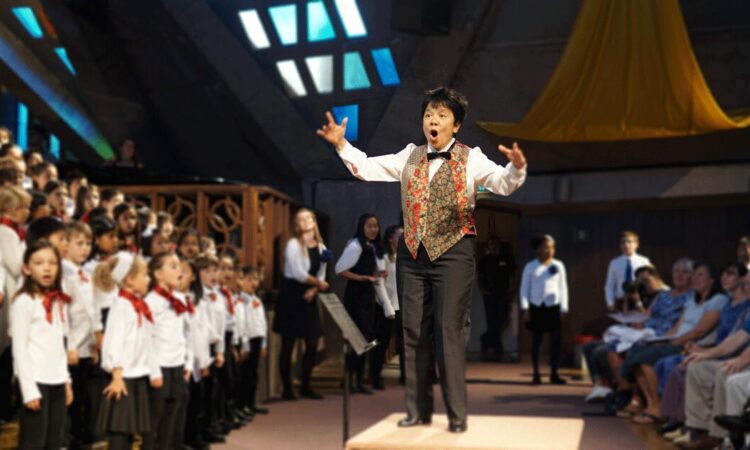
Conducting the Bullis Charter School Choirs at the First United Methodist Church in Palo Alto from 2016 to 2019 and 2021 to 2022 was a true delight! Each winter and spring concert transfor...
Tags: blog, Bullis Charter School, Bullis Charter School Choirs, spring concert, winter concert
A Model of Sequential Music Teaching Utilising Philippine Vocal Materials
PhD Thesis | The University of Queensland, Australia • School of Music
This study is a direct response to Filipino teachers’ clamour for a more relevant music education. It re...
Tags: dissertation, diverse ethnolinguistic groups, fieldwork research, folk music, folksongs, games, Kodaly Concept, melodic teaching sequence, multi-cultural, multi-language, multicultural, Philippine Folk Music, rhythmic and melodic teaching sequence, rhythmic teaching sequence, spoken rhymes, University of Queensland, University of Quensland School of Music
Meet Miriam
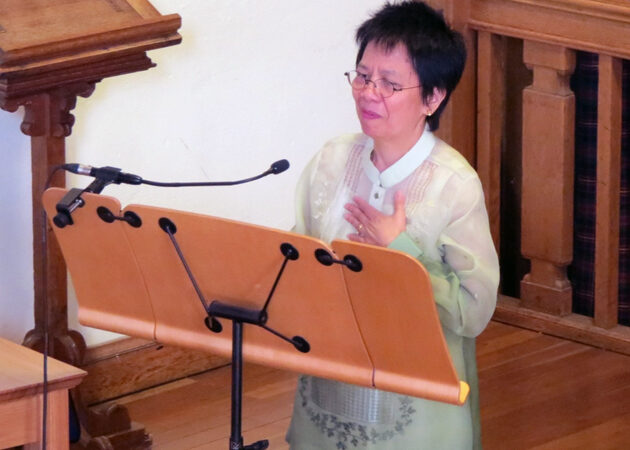
Miriam B. Factora, Ph.D., was born and raised in Sarrat, Ilocos Norte, Philippines. Educated within a colonial system, she has developed a fervent interest in fieldwork research, driven by her mission to discover pedagogical materials that better reflect student cultures. Thi...
Ilocos Norte Seminar-Workshop on Natural Heritage and Music
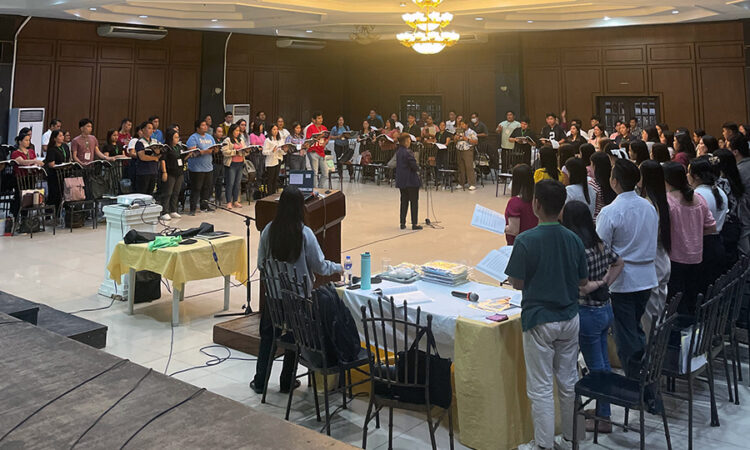
On February 24, 2024, I was thrilled to conduct an engaging seminar-workshop for teachers from Ilocos Norte, focused on my advocacy for cultural relevance in education. Held in Laoag City, the p...
Tags: Aweng, Aweng it Kailokuan, blog, Department of Education, Ilocano, Ilocano Music, Ilocos Norte, Kannawidan, Kannawidan Foundation, Laoag City Hall, Music Education in the Philippines, Philippines, seminar workshop, teacher training
A Music Educator’s Venture into Fieldwork Research
Zoltán Kodály’s Influence as a Scholar
Click title to download PDF File
22nd International Kodály SymposiumKeynote Address delivered by Dr. Miriam B. FactoraAugust 6, 2015 | Edinburgh, Scotland
On ...
Tags: blog, diverse ethnolinguistic groups, ethnomusicology, fieldwork research, folk music, IKS Symposium, International Kodaly Society, keynote address, Kodaly as a Scholar, Kodaly scholar, multi-cultural, multi-language, multicultural, music fieldwork research, music teaching sequence, paper presentation, Philippine Music, teaching sequence
Keynote Speech Presented by Miriam B. Factora, Ph.D.18th International Kodály SymposiumAugust 3-10, 2007 | Columbus, Ohio, USA
At my keynote address during the 18th International Kodály Society Symposium in Columbus, Ohio (U.S.A.) on August 3-10, 2007, I shared insights gained from my exten...
Tags: blog, diverse ethnolinguistic groups, ethnomusicology, fieldwork research, folk music, IKS Symposium, International Kodaly Society, keynote address, multi-cultural, multi-language, multicultural, music fieldwork research, music teaching sequence, paper presentation, Philippine Music, teaching sequence